1 hr 30 min
Kyoto Insider Sake Tasting: 7 Pours & Japanese Snacks
Guided 90-minute sake tasting in Kyoto with expert-led flights and Japanese snack pairings for beginners.
Reserve
Cedar vats hold the river's memory, one small cup returns it.
Hand-picked by our editors — only the best 9 experiences from 214 reviewed.
Verified partners for Kyoto Sake tours, free cancellation where available, and instant confirmation on every booking.
1 hr 30 min
Guided 90-minute sake tasting in Kyoto with expert-led flights and Japanese snack pairings for beginners.
Reserve
2 hr 30 min
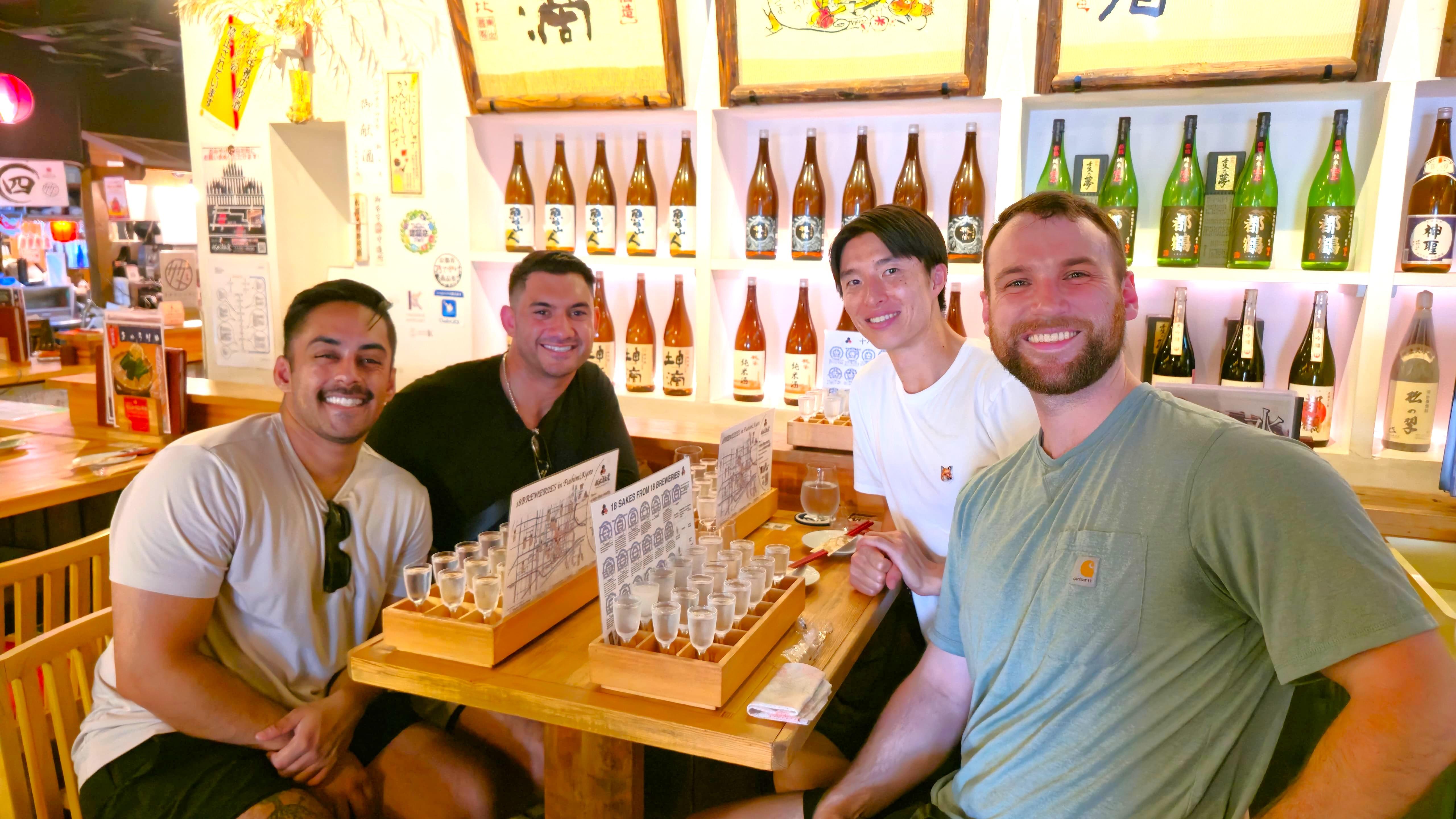
Explore two historic Kyoto sake breweries and taste 18 sakes at a legendary alley in 2.5 hours.
Reserve
3 hr
Walk Kyoto's quiet canal district and taste 18 local sakes with an expert guide.
ReservePrices from verified partners. Availability updates in real time at checkout. Free cancellation policies apply where shown.
The landmarks, rooms, and views travelers on Kyoto Sake tours remember — all visible on a single visit.
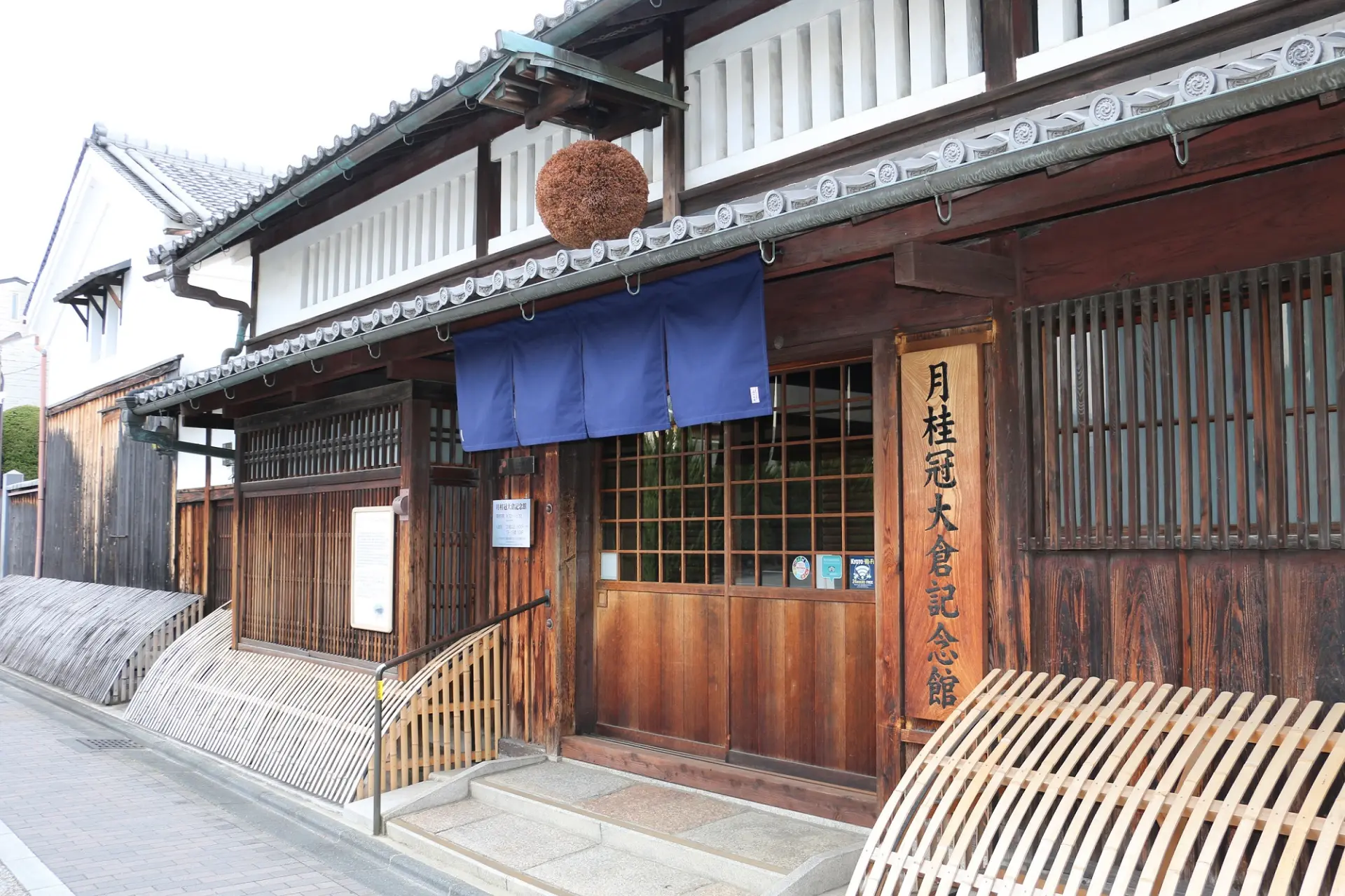
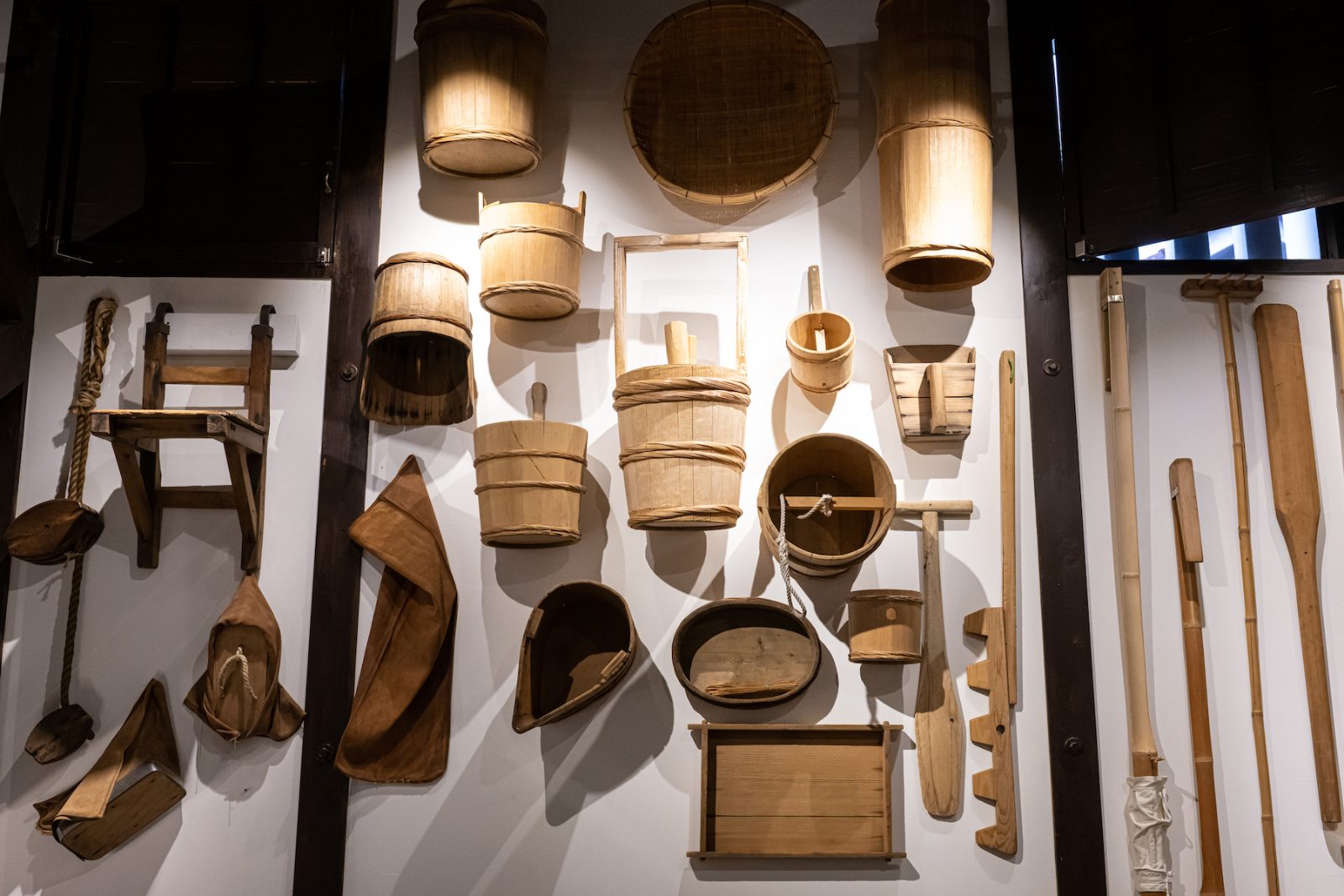
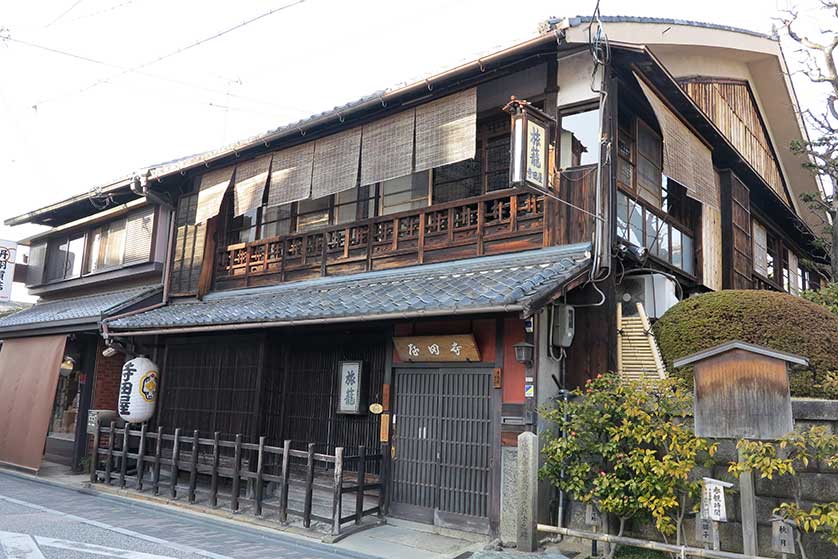
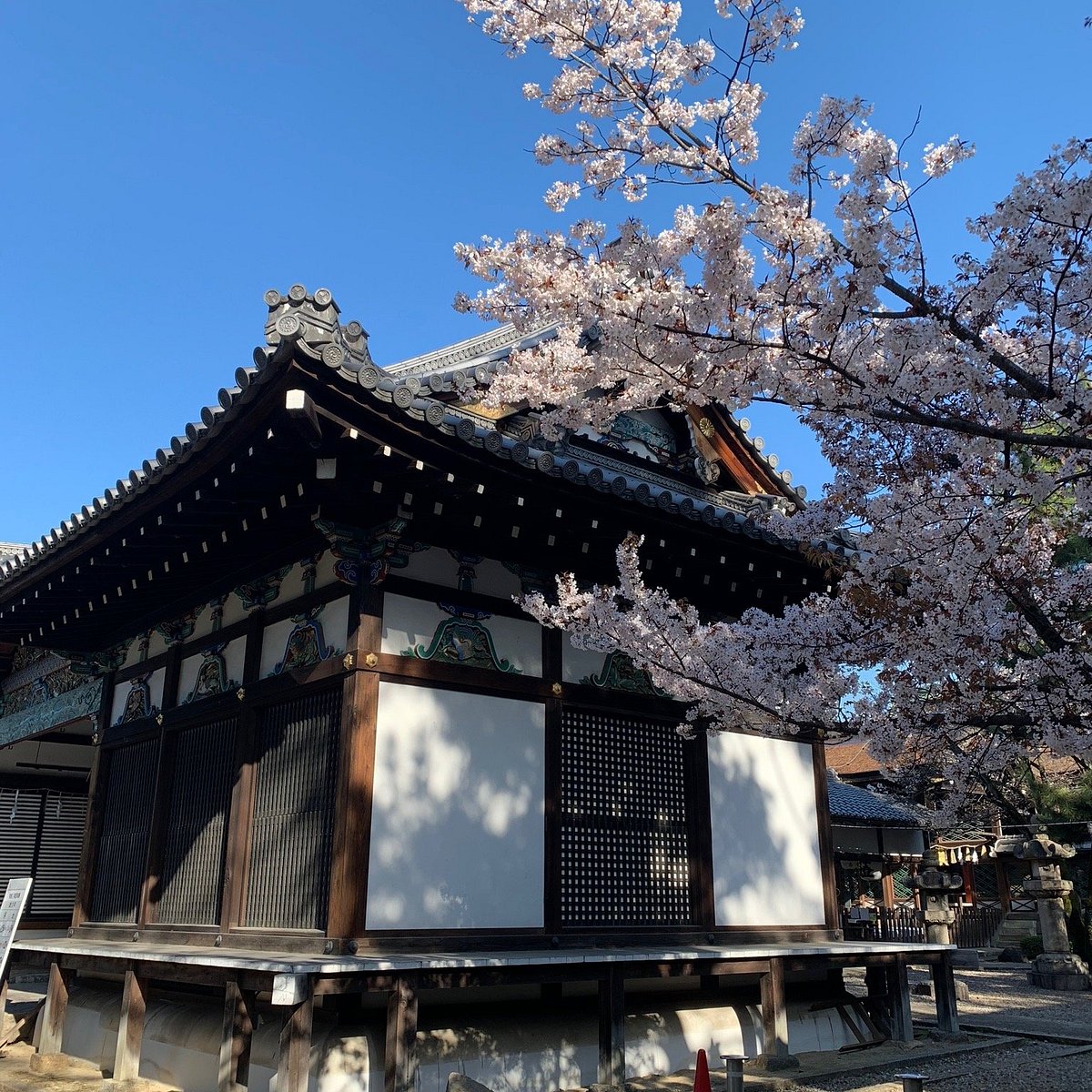
This museum is housed in a traditional wooden building dating back to the early 20th century. It showcases the history of sake brewing with over 400 historical tools on display.
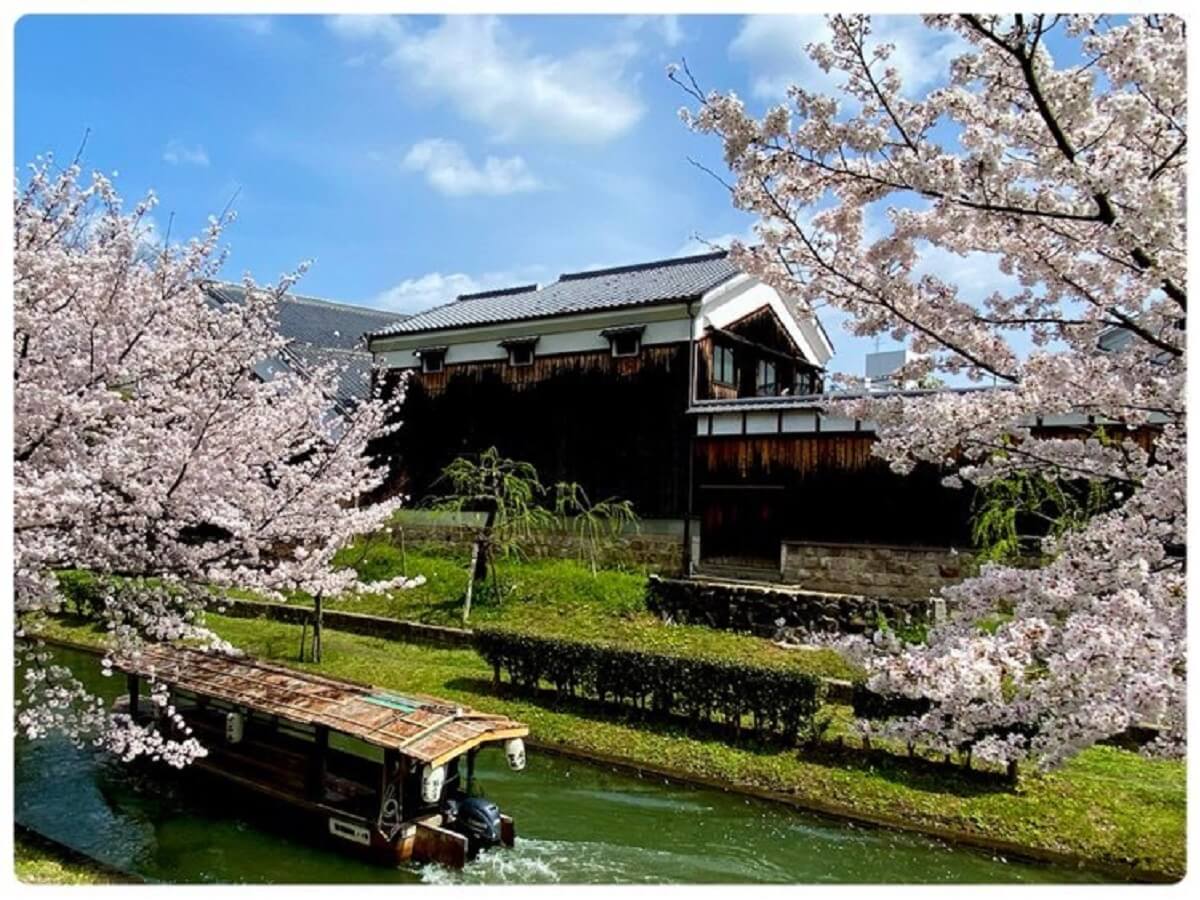
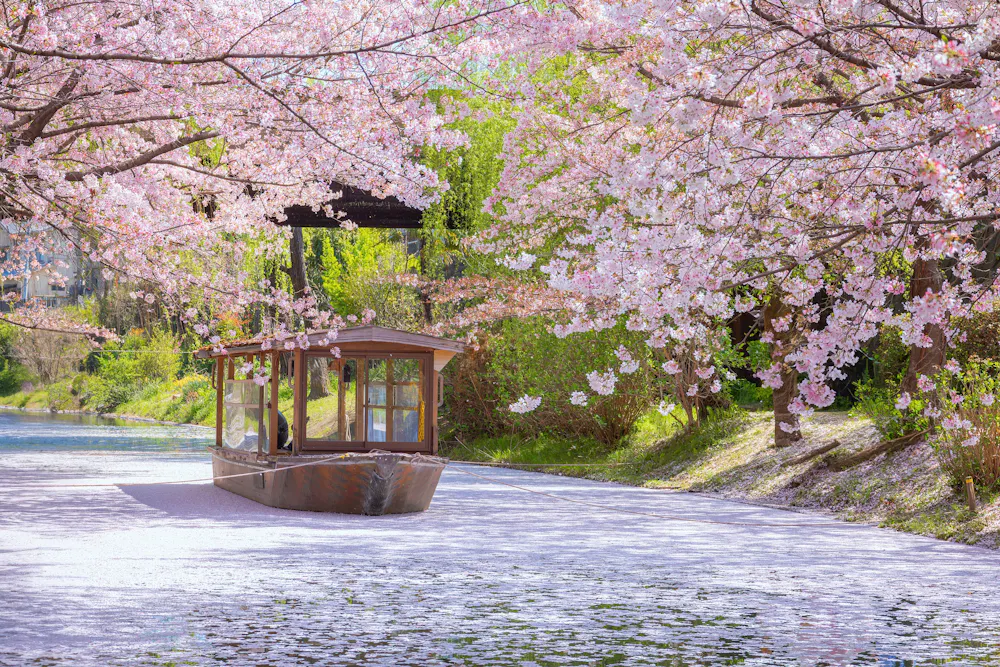
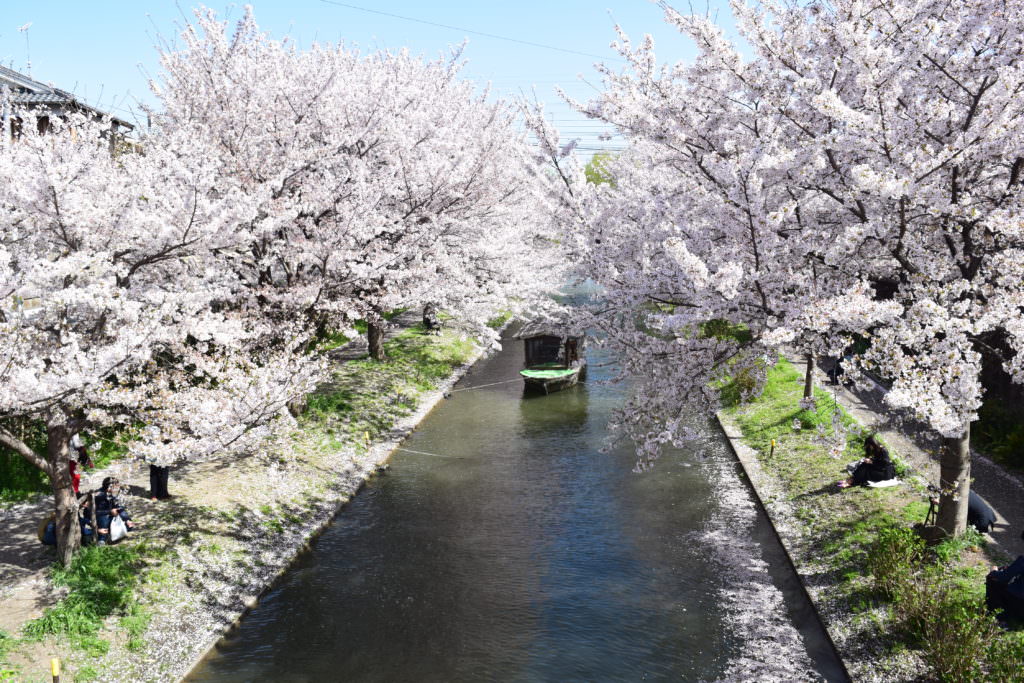
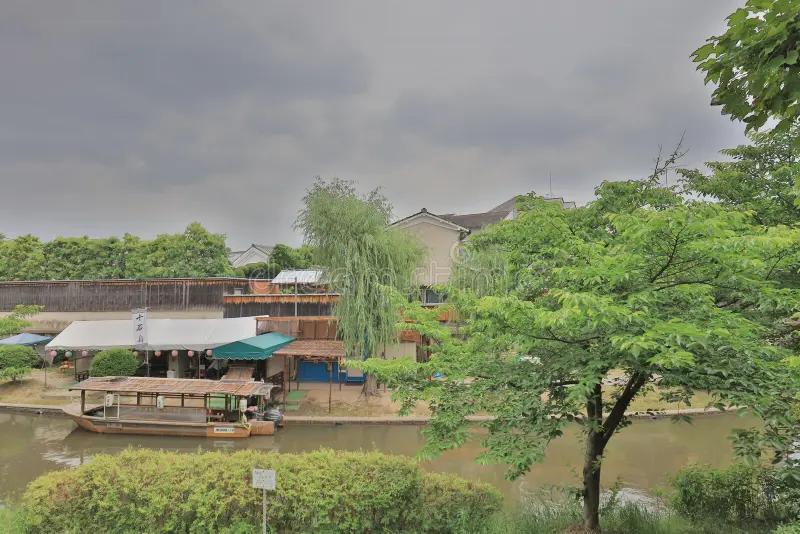
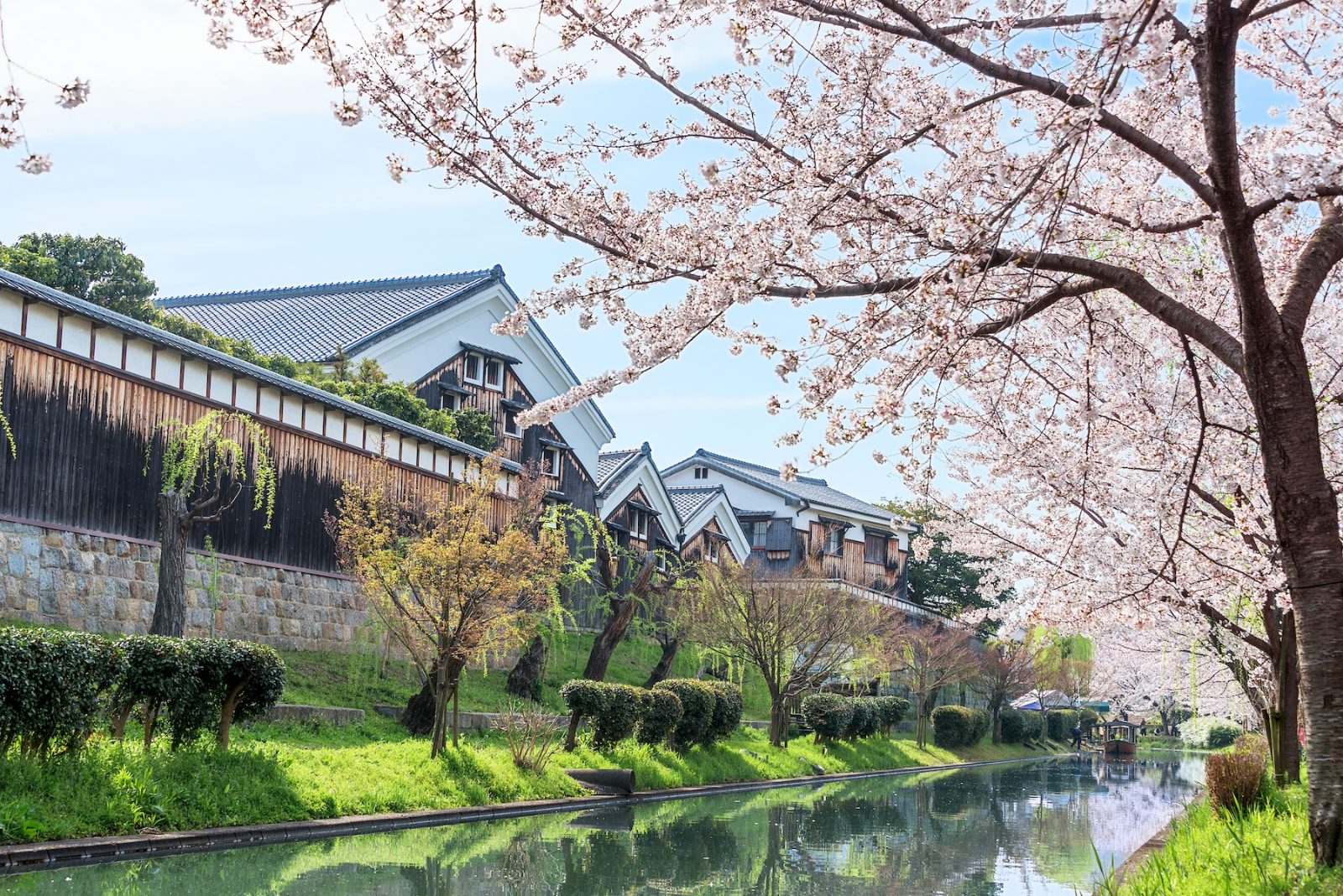
This historic waterway was essential for transporting sake barrels to central Kyoto. The willow-lined path is a key feature of the Fushimi Sake District.
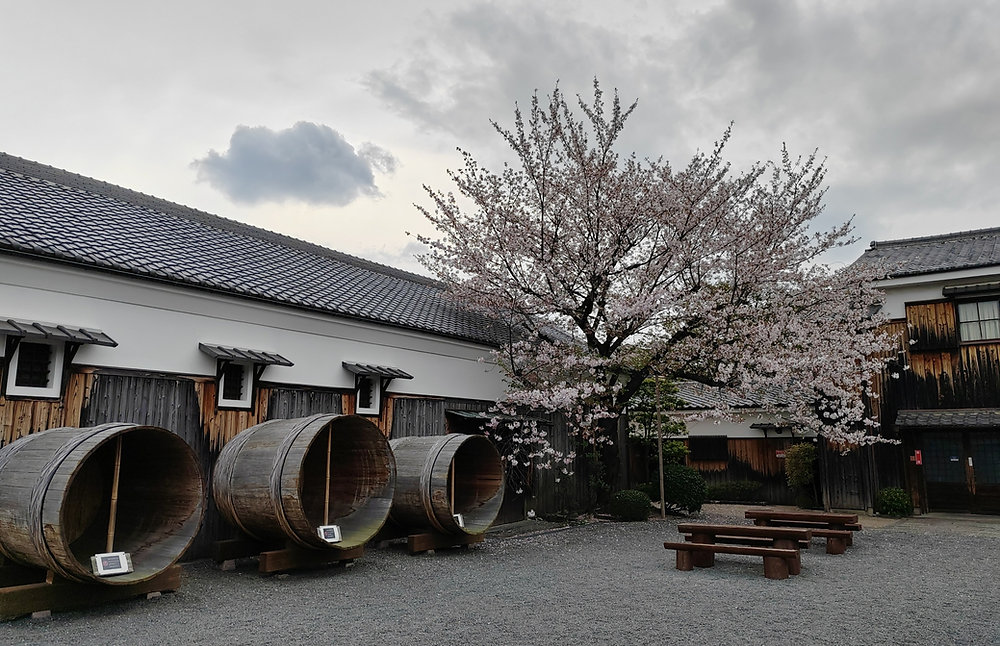
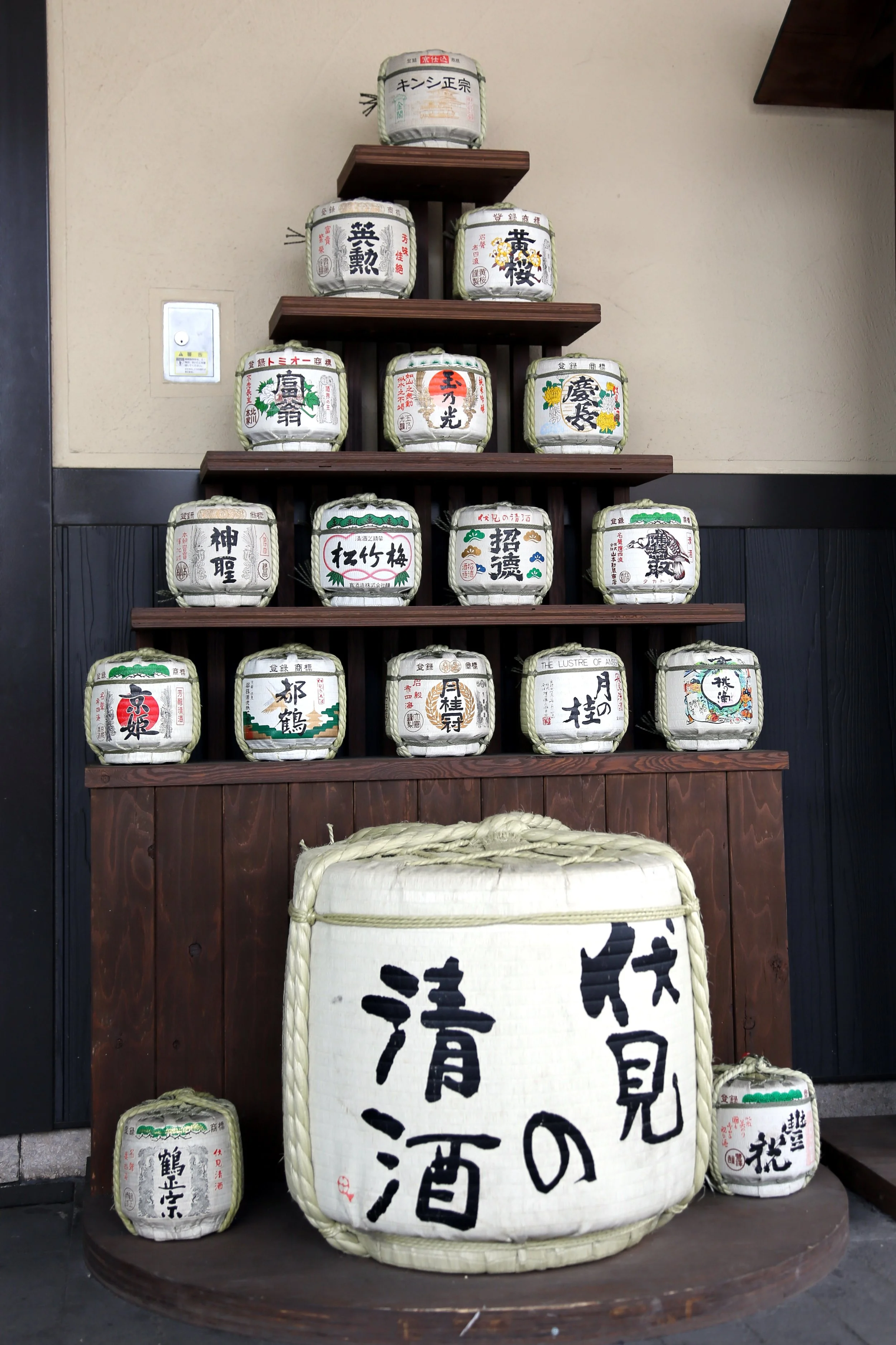
See the massive wooden vats and brewing equipment used for centuries. These artifacts highlight the technical evolution of the craft.
A peaceful space featuring traditional architecture and well-maintained gardens. It offers a quiet perspective on the brewery's legacy.
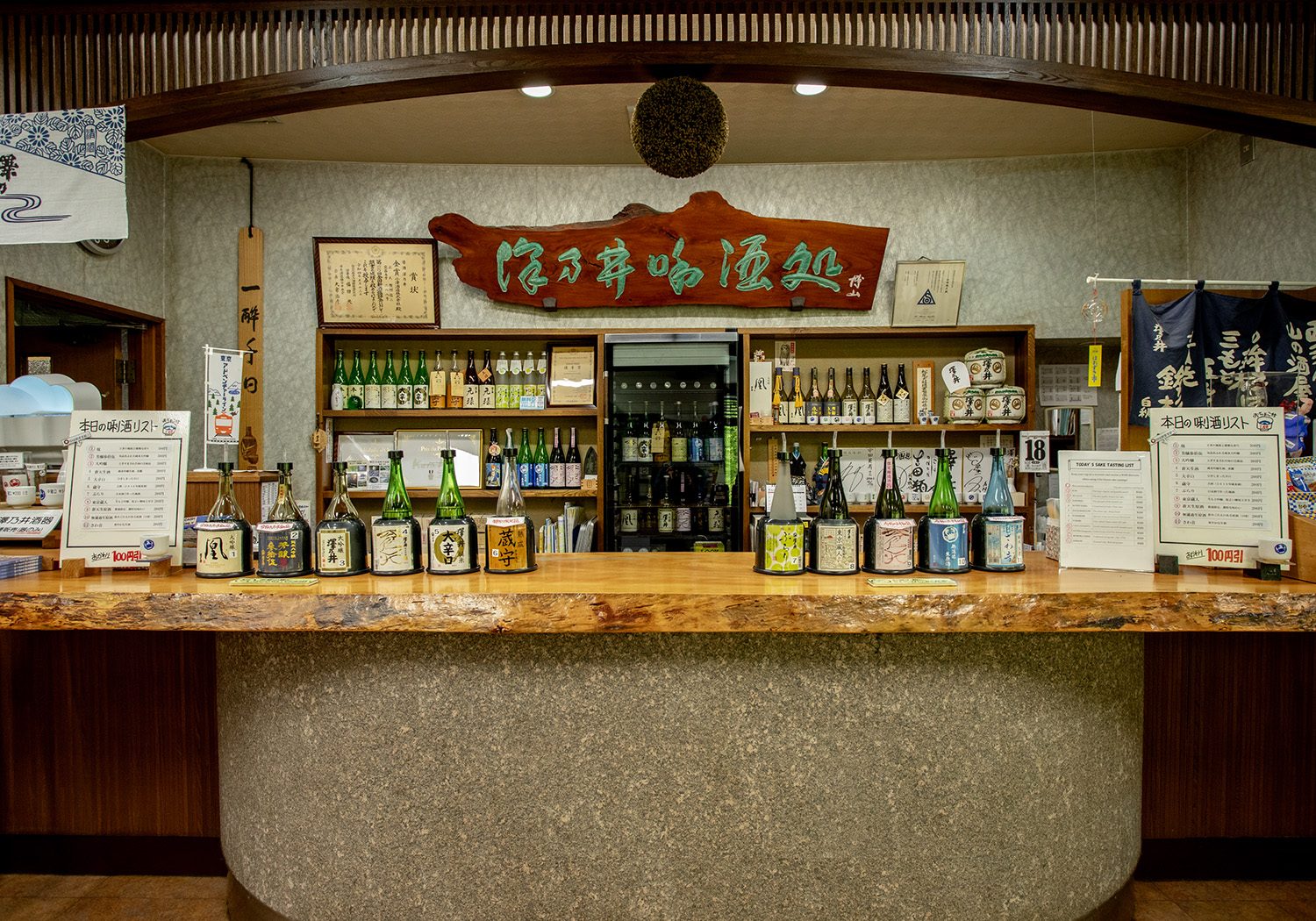
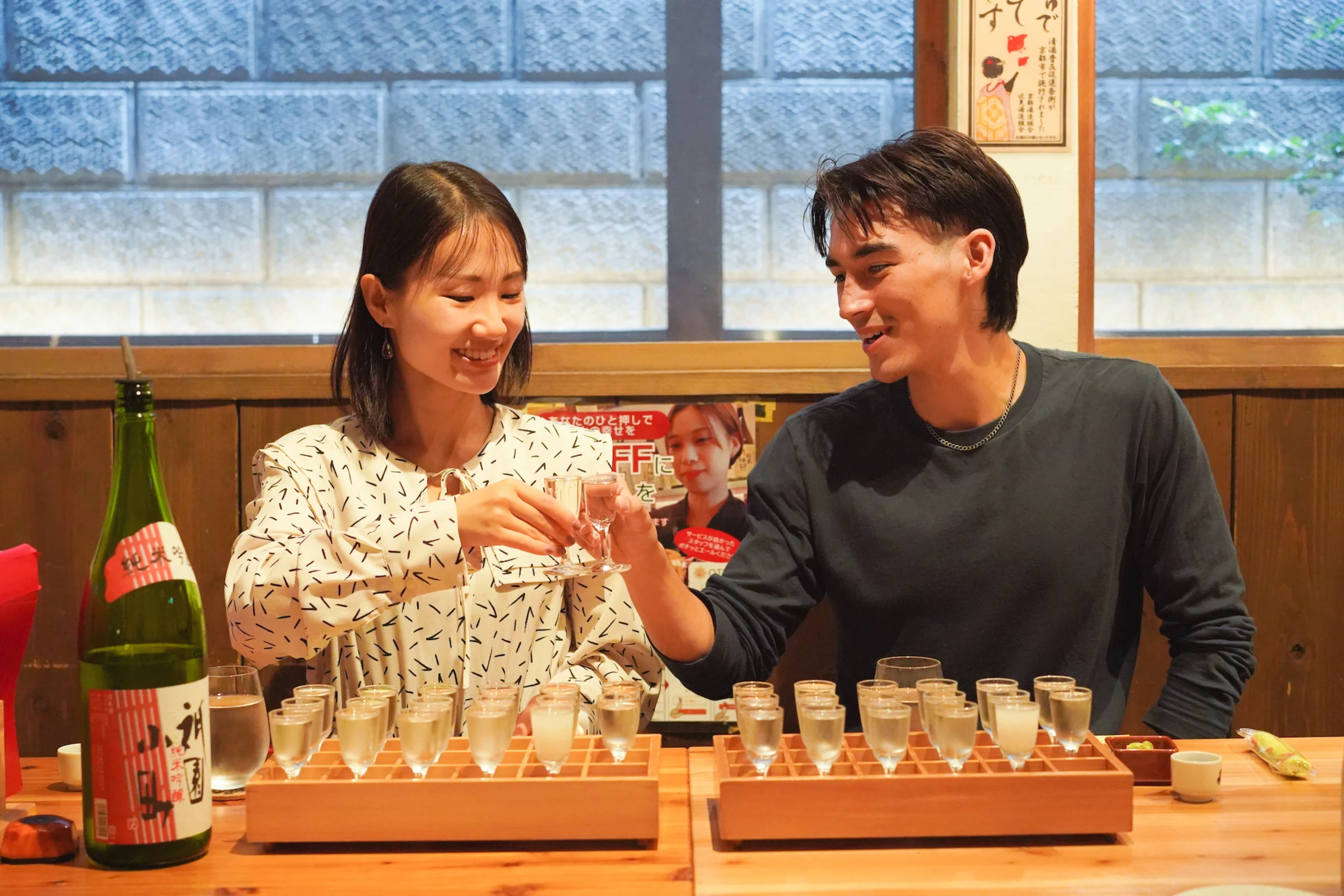
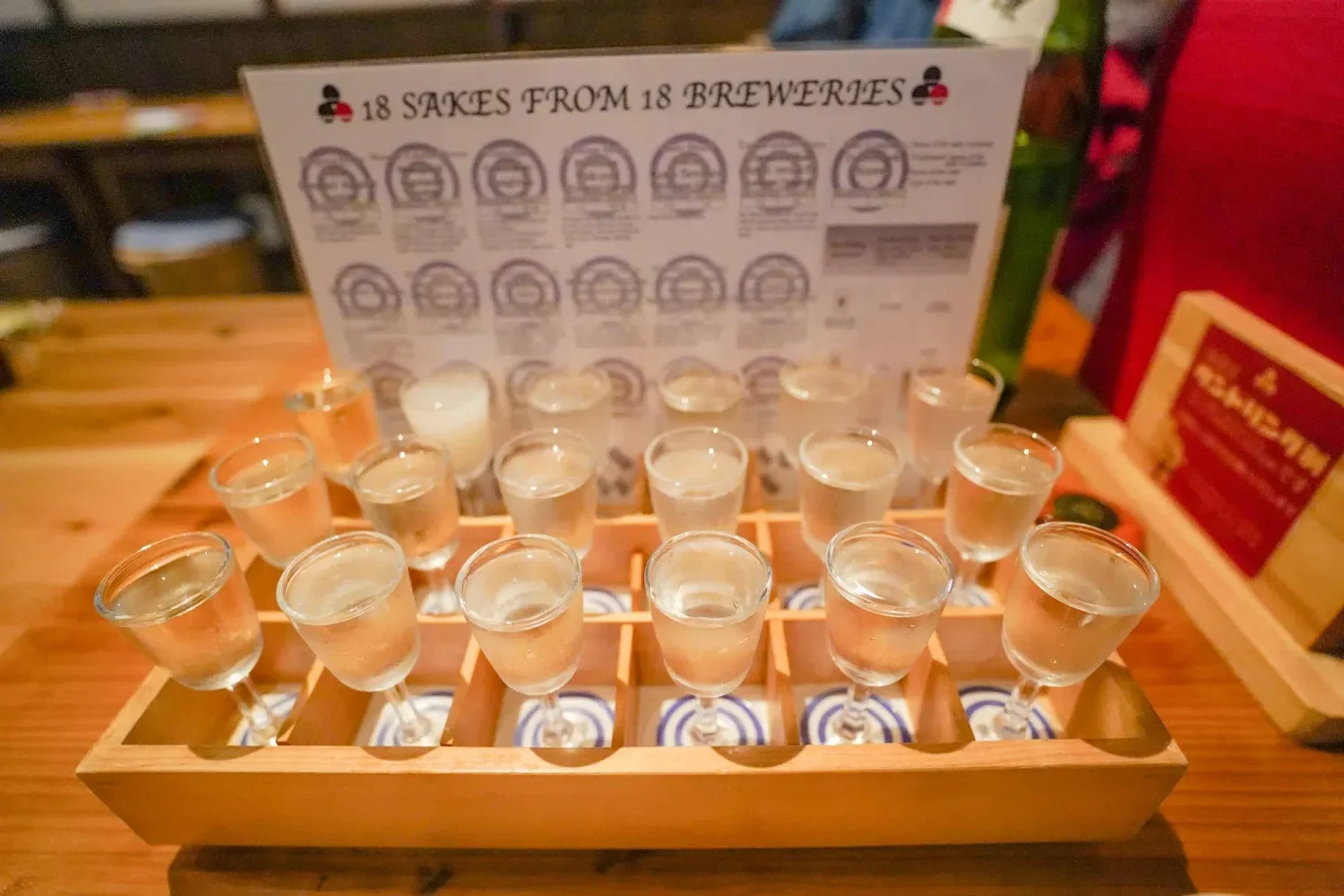
Sample various styles of sake produced by the brewery. This area provides insight into the different flavor profiles developed in Fushimi.
Every Kyoto Sake tour side-by-side — duration, what's included, how you redeem.
| Experience | Duration | Rating | Guide | Small group | Free cancel. | Price | |
|---|---|---|---|---|---|---|---|
|
Standard Entry Most popular
Kyoto Insider Sake Tasting: 7 Pours & Japanese Snacks
|
1 hr 30 min | ★ 4.9 | — | ✓ | ✓ | €56 | Book → |
|
Standard Entry
Fushimi Sake Brewery Tour: 18 Tastings in Kyoto
|
2 hr 30 min | ★ 4.7 | — | — | ✓ | €93 | Book → |
|
Standard Entry
Fushimi Sake Tour: 18 Tastings & Historic Breweries
|
3 hr | ★ 4.7 | ✓ | — | ✓ | €82 | Book → |
All prices from verified partners. Availability and exact terms confirmed at checkout.
These destinations complement each other; visitors seeking a deep dive into artisanal craftsmanship prefer the museum, while those wanting a relaxed atmosphere for lunch often select the local brewery restaurant for their kyoto sake tour.
| Feature | Top pick Gekkeikan Okura Sake Museum | Kizakura Kappa Country |
|---|---|---|
Focus |
Exhibition and brewing heritage | |
Primary Vibe |
Educational and traditional | |
Brewing History Depth |
Extensive historical records | |
Dining Availability |
Sake tasting and gift shop | |
Ideal Visitor Profile |
History buffs and connoisseurs | |
| See tickets → |
Verdict: Choose Gekkeikan Okura for an in-depth cultural kyoto sake tour experience, or opt for Kizakura Kappa Country to enjoy craft beverages alongside casual Japanese pub dining when booking your kyoto sake tour tickets.
Choose your ticket, select your date, and reserve in under two minutes. Secure checkout handled by our verified partner.
Instant confirmation by email, with a mobile voucher you can save offline. No printing, no queuing at a collection desk.
Arrive at the entrance, show your voucher on your phone, and walk in. Most tickets include priority or skip-the-line access.
Practical details for Kyoto Sake tickets straight from our verified partners — hours, access, rules, and how to get there.
Fushimi-ku, Kyoto
Main transit hub for the area
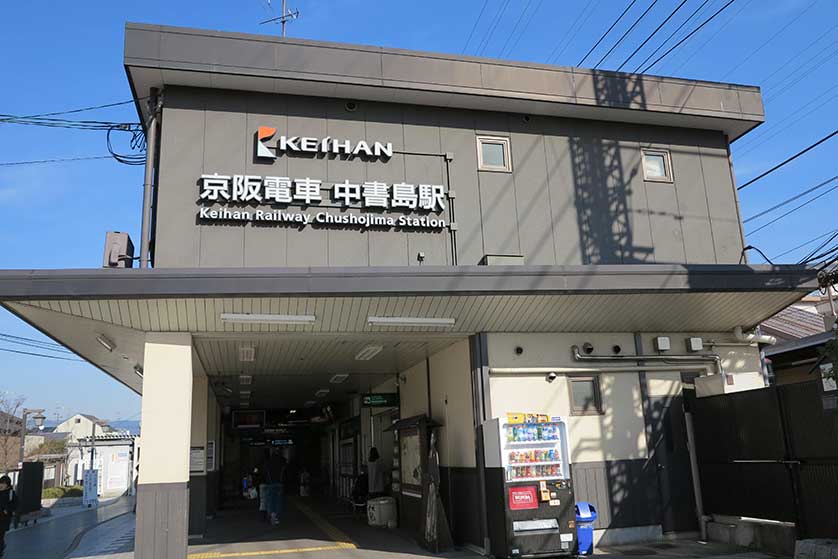
Open in Google MapsTake the Keihan Main Line to Chushojima Station. The museum is a 10-minute walk from the station exit.
Walk from Momoyama-Goryo-Mae Station on the Kintetsu line. This route takes about 15 minutes through the historic town.
Casual attire is appropriate for a Kyoto sake tour. Please wear comfortable shoes as the Fushimi Sake District involves significant walking between breweries.
Large luggage cannot be stored at the Gekkeikan Okura Sake Museum. Visitors should use coin lockers at nearby train stations like Chushojima Station.
Photography is generally permitted in the museum exhibitions and courtyard. Please avoid using flash and respect signage regarding private industrial areas.
The main floor of the museum is accessible to wheelchair users. Older wooden structures in the surrounding district may have uneven stone paths.
Mobile phones may be used for photography and navigation. Please keep volumes low to maintain the quiet atmosphere of this historic district.
The museum welcomes families, though the 600 JPY entrance fee applies to adults 20 and older. Younger visitors can explore the history of fermentation and traditional tools.
Food is not permitted inside the exhibition areas. Tasting of sake is included in the entrance fee for eligible adults.
Pets are not allowed inside the museum. Service animals are permitted with appropriate documentation.
As part of your Kyoto sake tour, please remember that the legal drinking age in Japan is 20. Tasting samples are strictly for those 20 and older.
Best time to go, insider tips, nearby landmarks, and the cancellation fine print — flip through to skim what matters to you.
How crowds, weather, and events shift across the year.
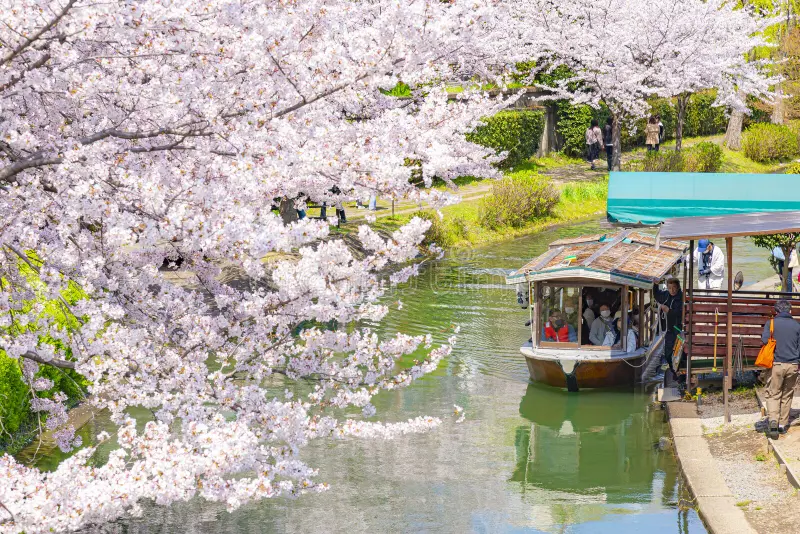
Late March to April features mild weather and cherry blossoms. Ideal for a scenic Kyoto sake tour walk along the canal.
August offers vibrant green foliage but high humidity. Visit early in the day to escape the afternoon heat.
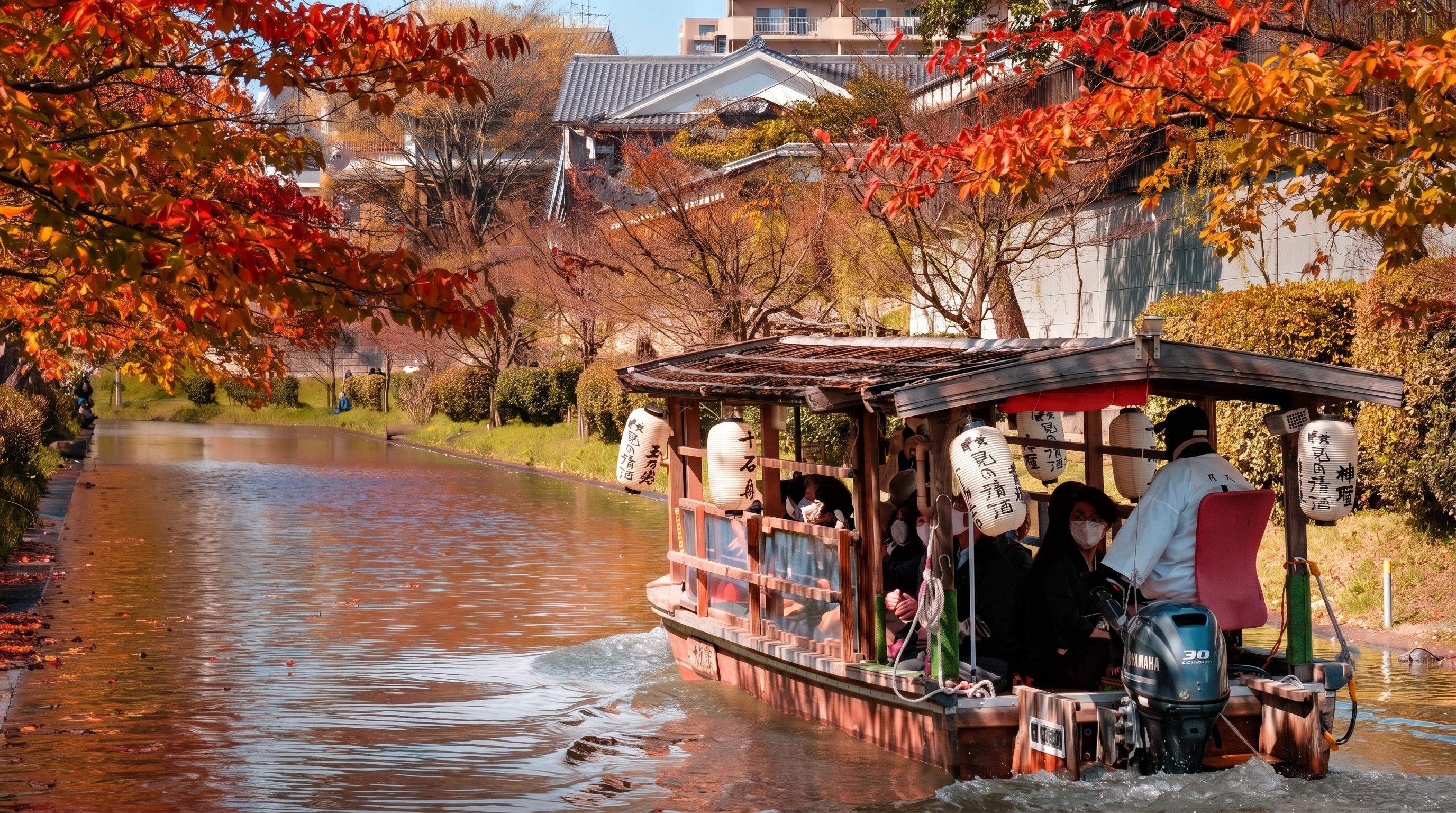
November provides pleasant temperatures. The district scenery is enhanced by autumn foliage colors.
January and February are quieter. It is a great time for a peaceful Kyoto sake tour experience without crowds.
Small details that turn a good visit into a great one.
The district is busiest on Saturday and Sunday afternoons. Plan your Kyoto sake tour for a weekday morning to enjoy quieter displays.
Drink from the public fountains fed by Fushimi's famous groundwater. Many locals consider it the source of the region's brewing excellence.
Ensure you arrive before 16:00 to complete your visit. The doors strictly close at 16:30 daily.
Many nearby historic sites are free to view from the street. Walk the canal first to understand the layout before entering the museum.
As the 600 JPY entrance fee includes tasting, staff may verify age for those who look under 20.
Non-bookable sights within a short walk — free to visit, easy to pair.
Historical inn associated with Ryoma Sakamoto. Features traditional architectural displays.
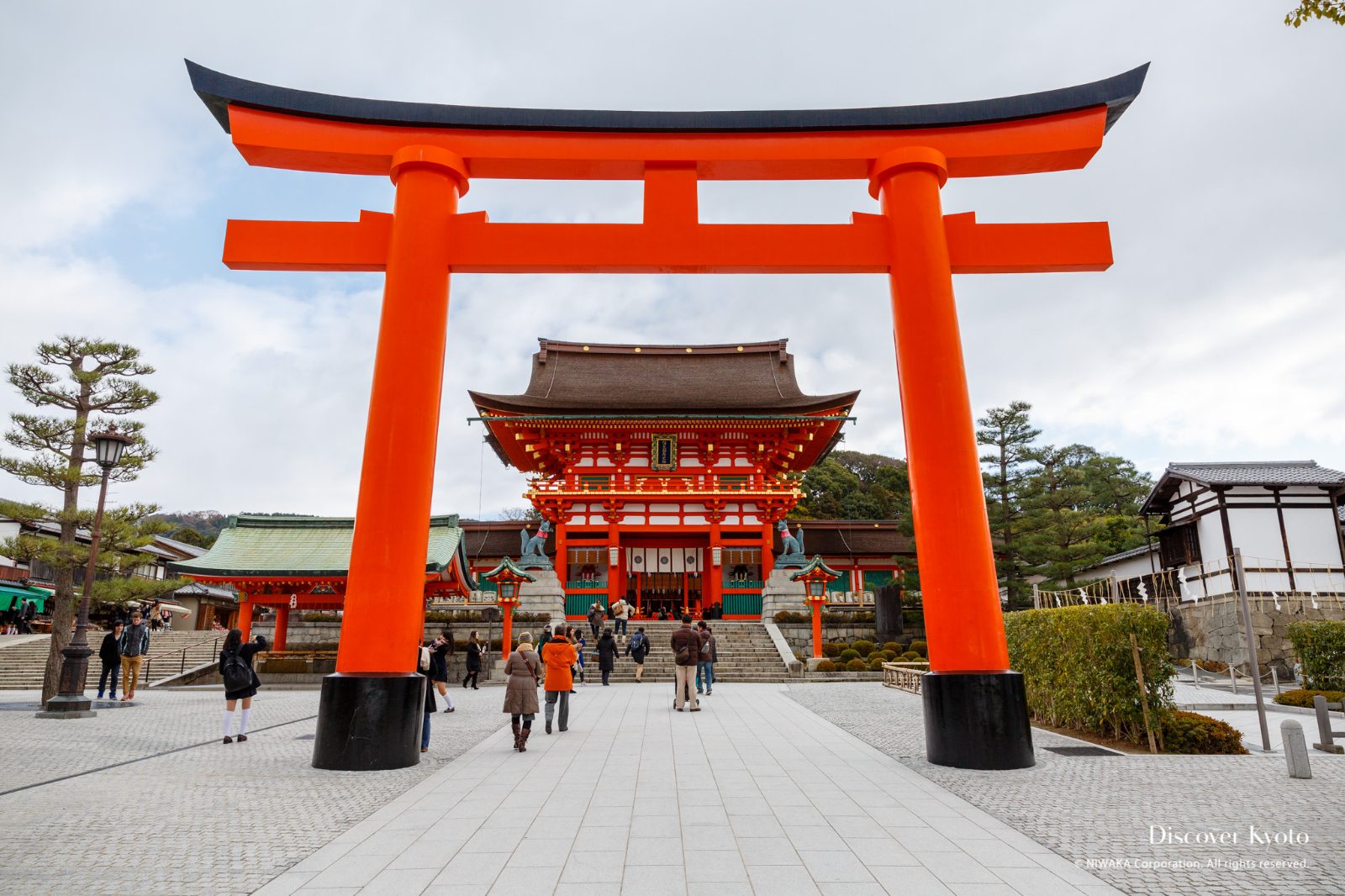
Famous shrine with thousands of vermilion torii gates. Located a short train ride north.
Historic waterway once used for transporting sake barrels. Perfect for riverside walks.
Shrine famous for its high-quality spring water used in local brewing.
Flexible, no hidden fees.
Individual tickets are purchased on-site for 600 JPY. As admission is handled at the entrance, there is no pre-booking cancellation process.
Hand-picked options within walking distance — pick a district for vibe, or a specific hotel for convenience.
Boutique ryokans and local guesthouses offer authentic stays.
High-end hotels with easy access to all city transit.
Wide selection of hotels near major commercial centers.
The Ōkura family had been brewing in Fushimi for 268 years before the name Gekkeikan was registered in 1905. The first premises opened in 1637, on a bend of water where the Uji River meets the canals of the old river port. A kyoto sake tour begins in that geography, rather than in a tasting room.
Fushimi is a river town first and a brewing district second.
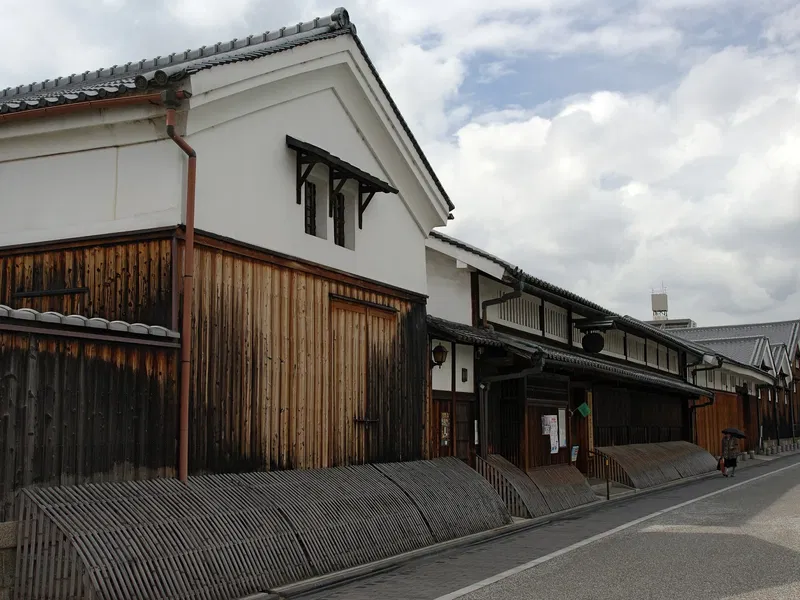
The ground beneath the district explains the rest. Soft, iron-poor groundwater rises here as gokōsui, the fragrant water, filtered slowly through the sand and gravel of the Momoyama hills. Brewers prize it for a rounder, gentler style, long contrasted with the hard water and sharper sake of Nada in Kobe. Nearly forty sakagura once crowded these lanes. The survivors keep white plaster walls, black cedar cladding, and low tiled roofs. Kyoto Sake Tour tours through the quarter are walks through an industrial district that never stopped working.
The Gekkeikan Ōkura Sake Museum occupies a brewery building of 1909, preserved rather than restyled. Inside, a collection of 6,120 brewing implements holds designation as an Important Tangible Folk Cultural Property. Koshiki steaming vats stand beside wooden fune presses and hand tools worn smooth by the Tanba tōji, the seasonal masters who walked down from the hills each winter. Recordings of their work songs play in the timber hall. The displays set out kōji cultivation and the multiple parallel fermentation that separates sake from beer and wine. Visitors booked on a kyoto sake tasting and those arriving for a plain kyoto sake brewery visit see the same rooms; only the pace differs.
Its importance now is documentary. Domestic consumption has fallen for five decades while exports have climbed, and the cellars of this district have become places where a trade explains itself to people who did not grow up with it. Among Kyoto landmarks, it sits apart from the temple circuit: a working quarter south of the city centre, reached by a short local train, where the Horikawa canal still carries jikkokubune boats past the loading doors. A kyoto sake tasting experience here rests on evidence — tools, water, timber, measurement — rather than atmosphere. Kyoto Sake Tour tickets admit visitors to the archive of one of Japan's oldest continuous crafts.

"Fushimi is a river town first and a brewing district second."
A step-by-step walkthrough of Kyoto Sake tickets — what you'll see, how long each stage takes, and the details that matter.
You come in off Minamihama-cho, where the address reads 247 and the lane carries a faint smell of steamed rice. The doors open at 09:30. You pay 600 JPY, take the token that stands in for a ticket, and step into a hall several degrees cooler than the street.
You start at the well. A hand pump draws gokōsui, and you drink a cup of it plain, before anything ferments. Then you follow the order the tools dictate: rice-washing tubs, the koshiki steamer, the low doorway of the kōji room, the cedar tanks ranged along the wall. Placards run in four languages. Audio of tōji work songs loops overhead, and you stand still for the length of one verse, which is what a Kyoto Sake Tour tour asks of you more than stamina.
Twenty minutes on, you reach the counter where the kyoto sake tasting happens. Three small glasses arrive, usually a junmai ginjō, a plum wine, and a sparkling sake, each poured to a finger's depth. You rinse with water between them. Your souvenir is included, so you leave with a bottle in hand and walk out along the Horikawa canal, where flat jikkokubune boats turn slowly beneath the willows.
The museum is open daily from 09:30–16:30. We recommend a best arrival window of 09:30–16:00 to avoid afternoon peak crowds.
Yes, the museum is open daily from 09:30–16:30, except for specific year-end closures.
The entrance fee is 600 JPY, which includes sake tasting and souvenirs for adults 20 and older.
Large bags are not permitted inside the Gekkeikan Okura Sake Museum. Please use lockers at Chushojima Station.
Yes, photography is permitted in the museum, but please avoid using flash.
To avoid crowds, schedule your Kyoto sake tour for a weekday morning between 09:30–16:00.
Yes, families are welcome, though the 600 JPY fee applies to all adults 20 and older.
The district is easily accessible via the Keihan Line at Chushojima Station, a 10-minute walk from the museum.
Individual tickets are purchased upon arrival at the museum entrance for 600 JPY, so no pre-booking or cancellation is necessary.