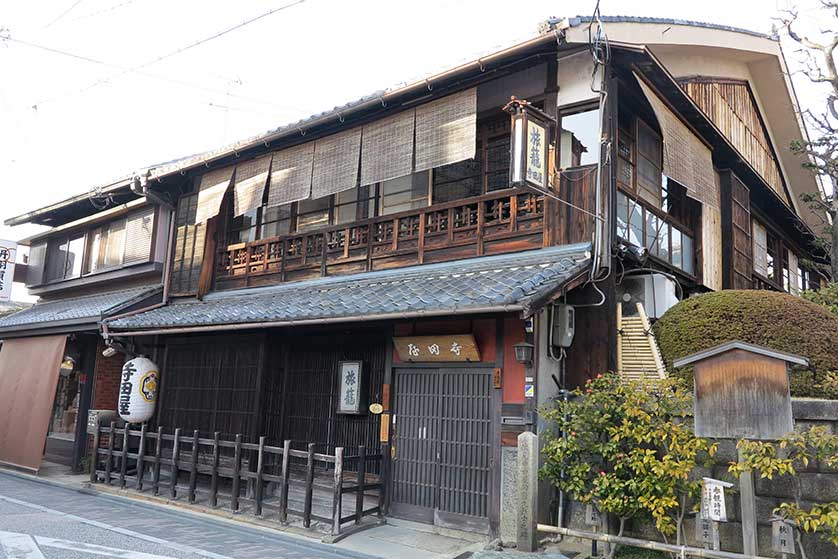
Teradaya Inn
5 min walk
This historical inn is famous for its connection to Sakamoto Ryoma and provides insight into the area's significance during the late Edo period.

Fushimi keeps more than a dozen working breweries within a few blocks of the Horikawa canal, and one of them opens its old brewhouse to the public. This page sets out what the Gekkeikan Ōkura Kinenkan actually is, who it is for, and what a visit involves. The practical figures follow in the sections below.
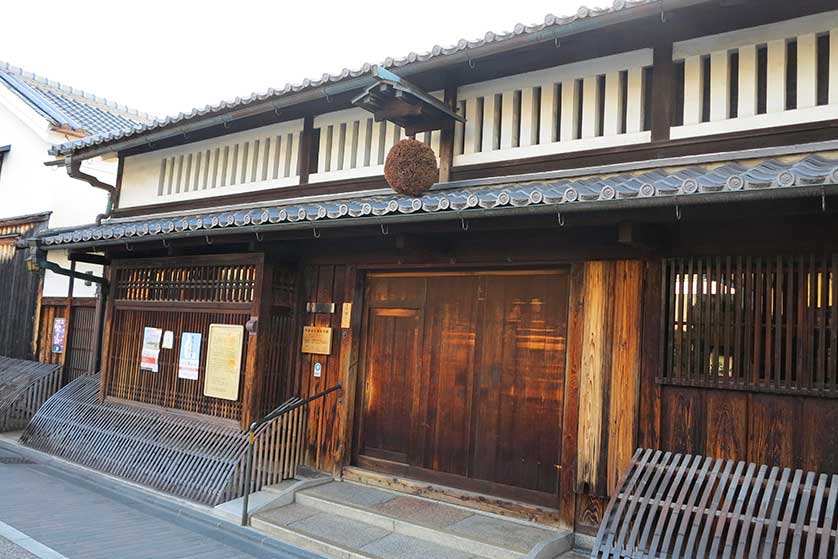
Quick answer
The Kyoto sake brewery museum most travellers mean is the Gekkeikan Ōkura Sake Museum at 247 Minamihama-cho, Fushimi-ku, open 09:30–16:30 every day of the week, with adult entry at 600 JPY including a sake tasting. The tasting is limited to visitors aged 20 and older. Arriving between 09:30 and 12:00 keeps the halls and the counter noticeably calmer.
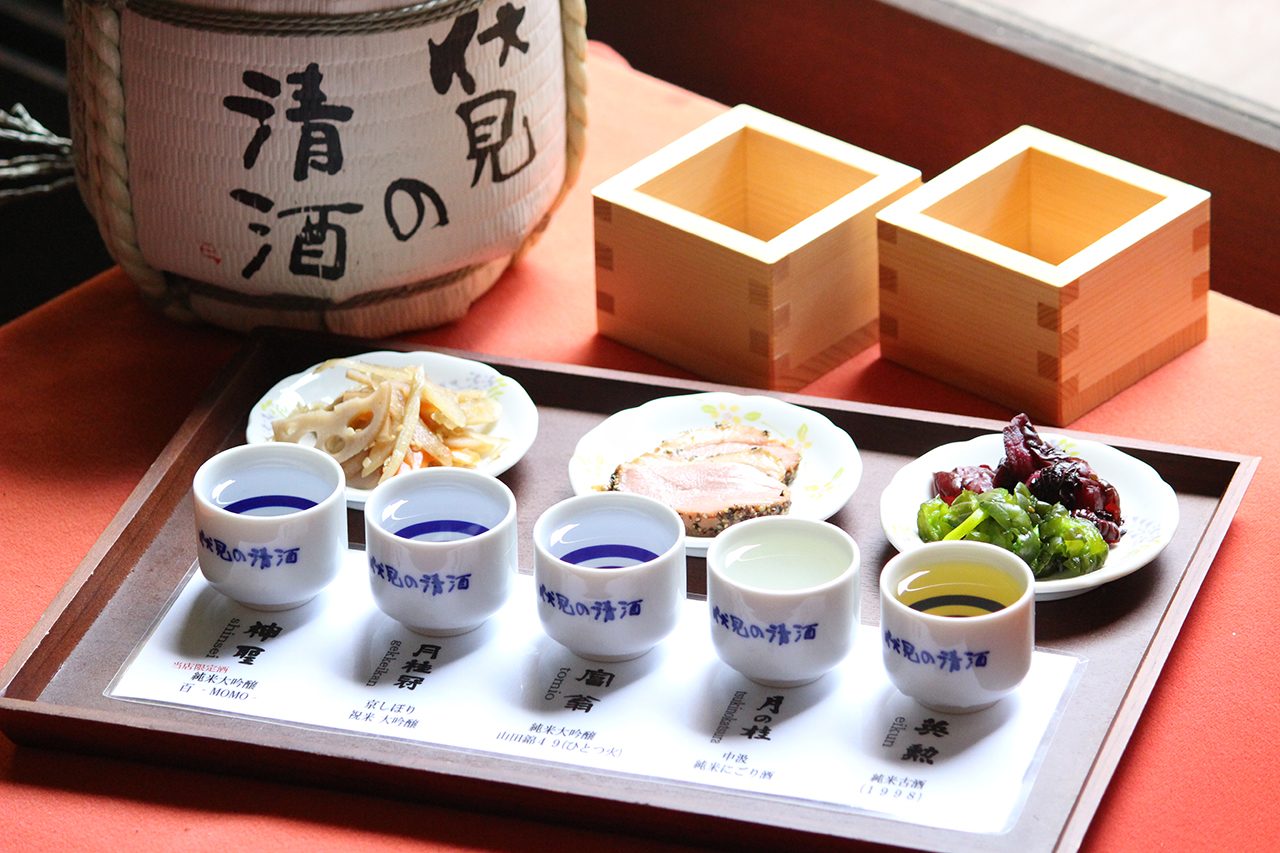
Fushimi is the second-largest sake-producing district in Japan, and it sits inside Kyoto's city limits rather than out in farm country. The Kyoto sake brewery museum at the centre of it occupies a working brewhouse that Gekkeikan built in 1909 and converted into a museum in 1982: a wooden kura with white plaster walls, black lattice and a tiled roof low against the canal. The company behind it dates to 1637, when Ōkura Jiemon opened a small brewery beside the Uji River. Known locally as the Gekkeikan Ōkura Kinenkan, it reads less like an exhibition hall than a preserved workshop that stopped mid-shift. What makes the district work is water. Fushimi draws on gokōsui, the soft spring water rising beneath Gokōnomiya Shrine, and that softness is why Fushimi sake has long been described as rounder and gentler than the sharper brews of Nada. The museum reads the neighbourhood through that lens: its collection of wooden brewing tools, designated a national tangible folk cultural property, is arranged in the order the work once happened, and the tōji, the master brewer, is the figure the whole route circles around. A sugidama, the cedar ball hung outside a brewhouse when new sake is ready, still marks the door. Recorded brewing songs play in the half-light. A tasting closes the visit, which is why a Fushimi sake district tour is usually built around this building rather than starting anywhere else. Planning follows from that. The schedule does not change from one day of the week to the next, so the question is not which day to come but which hour, and mornings are quieter than afternoons at the tasting counter. Entry is a single flat charge paid at the desk, and the tasting it covers is restricted to adults of legal drinking age in Japan, which is twenty. Outside, Minamihama-chō runs along the Horikawa canal past willow trees, low brick warehouses and the mooring where the jikkoku-bune barges still work the water in season. Travellers building a wider route through Kyoto landmarks tend to treat the Kyoto sake brewery museum as the anchor of a southern half-day and let the rest of Fushimi fill in around it — Gokōnomiya Shrine, the narrow lanes of Chūshojima, a second brewery tap room. Guided walks that combine the museum with the canal and a working brewery are arranged in advance rather than at the door, and the booking pages set out what each one covers.
“The route through the brewhouse ends where the work once did, at a tasting counter.”
The Gekkeikan Okura Sake Museum is open daily to accommodate visitors planning their exploration of the Fushimi Sake District.
The best arrival window is 09:30–12:00 to avoid peak afternoon crowds for a more relaxed museum tour and tasting experience. Arriving early provides the most space to navigate the historical exhibits and participate in the tasting session.
—
Quiet conditions allow for a deeper exploration of the brewing equipment and history.
Mild, 15–20°C
Cherry blossoms attract high visitor numbers, making early arrival essential.
Cool, 18–23°C
Pleasant temperatures draw more tourists, so prioritize a morning visit.
—
Expect significant congestion during this time; plan your visit for the earliest possible hour.
Verdict: The best slot is a weekday morning during April or October, arriving promptly at 09:30.
The Gekkeikan Okura Sake Museum is located in the Fushimi Sake District of Kyoto. The most efficient way to access the museum is via the local train networks serving the south of the city.
Keihan Main Line to Chushojima Station
Kintetsu Kyoto Line to Momoyamagoryo-mae Station
Walk from Chushojima Station
Walk from Momoyamagoryo-mae Station
From Chushojima Station, follow the signage toward the Fushimi Sake District; the walk passes through historic streets lined with traditional sake breweries.
The Fushimi Sake District offers a compact historical area perfect for a half-day walking tour. These nearby sites complement your museum visit by highlighting the architectural and cultural heritage that supports the local brewing tradition.
5 min walk
This historical inn is famous for its connection to Sakamoto Ryoma and provides insight into the area's significance during the late Edo period.
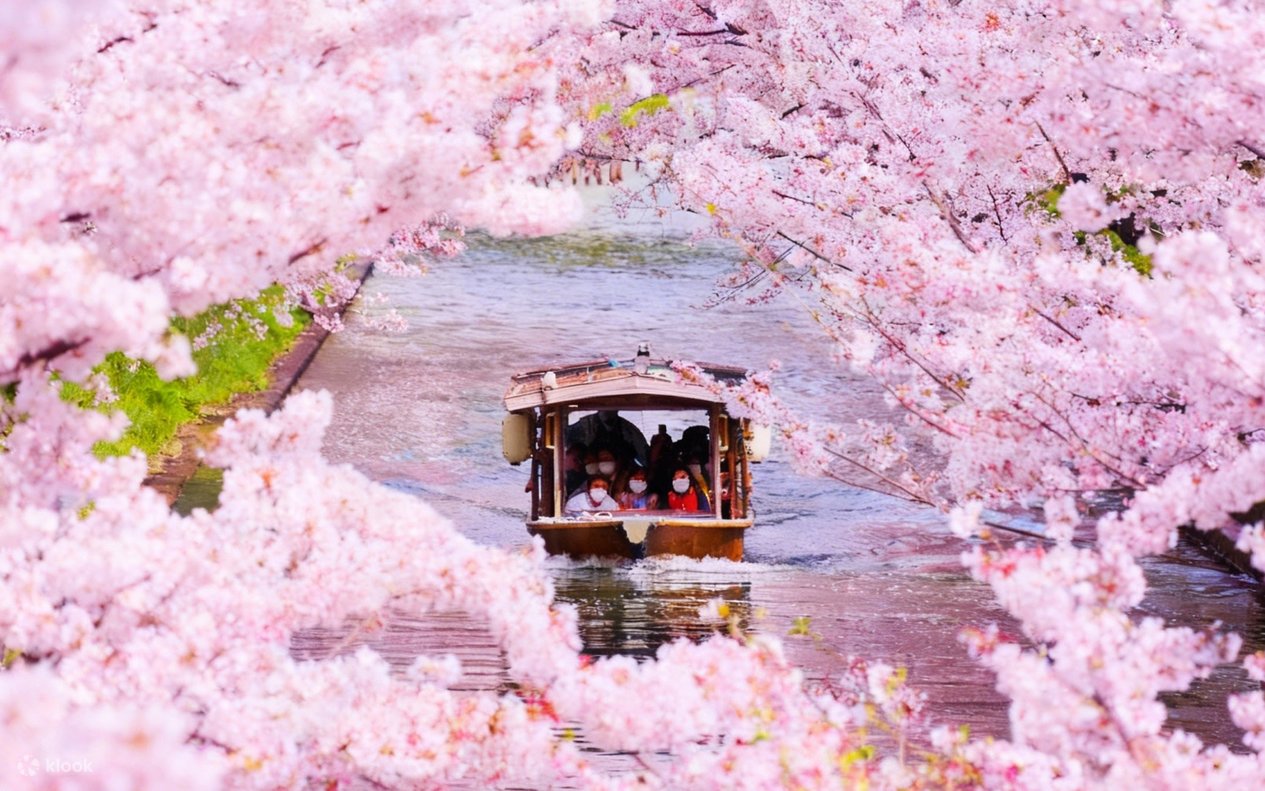
8 min walk
These traditional flat-bottomed boats traverse the canal, offering a view of the brewery storehouses from the water.
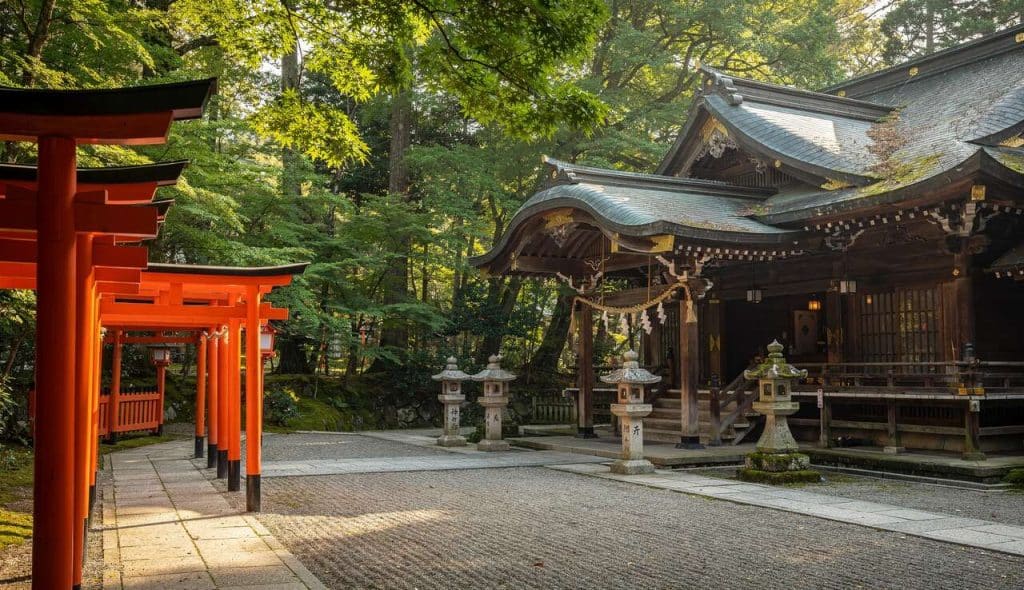
12 min walk
This shrine is renowned for its high-quality mineral water, which historically influenced the local sake brewing industry.
3 min walk
Housed in a former brewery office, this venue offers a chance to sample a variety of regional sake brands in a restored atmosphere.
Everything you need to know about kyoto sake brewery museum
The entrance fee is 600 JPY for adults 20 and older. This fee covers your entry to the facility and includes a sake tasting experience.
The kyoto sake brewery museum is open daily from 09:30 to 16:30. This schedule remains consistent throughout the week, including weekends.
Yes, the entrance fee includes a tasting of premium rice wine at the end of your tour. You must be at least 20 years old to participate in the tasting.
To avoid peak crowds and enjoy a more relaxed tour of the kyoto sake brewery museum, the best arrival window is between 09:30 and 12:00. This timing allows for a quieter exploration of the historic brewing equipment.
Children are welcome to accompany adults during the museum tour, though the tasting portion is restricted to those 20 and older. Please note that the facility focuses on the history of nihonshu production in Kyoto.
You can reach the museum by traveling to the Fushimi Sake District in Kyoto. The facility is located at 247 Minamihama-cho, Fushimi-ku, Kyoto 612-8660, Japan, and serves as a primary hub for visitors interested in traditional craftsmanship.
Fushimi Sake Brewery District
Read more Tickets & toursKyoto Sake Tasting Bars
Read more GuideGuide to Kyoto Sake Brands
Read more Tickets & toursKyoto Sake Tasting Experience
Read more Tickets & toursKyoto Sake Brewery Tours
Read more Tickets & toursKyoto Sake Boat Tours
Read more Tickets & toursPrivate Kyoto Sake Tours
Read more