Quick answer
The best-known kyoto sake brands are concentrated in Fushimi: Gekkeikan, Kizakura, Shochikubai (Takara), Tsuki no Katsura and Matsumoto Shuzo among them. Only some open their doors year-round. The Gekkeikan Okura Sake Museum at 247 Minamihama-cho, Fushimi-ku is the standard entry point, open daily 09:30–16:30, with adult entry at 600 JPY including three tastings.
Fushimi produces more sake than any Japanese district except Nada, yet the reason is buried underground: a soft, iron-poor aquifer fed by the Momoyama hills, drawn from wells that brewers here have named and guarded for four centuries. The water is called gokosui, and its low mineral content yields a rounder, gentler style than the sharp, muscular sake of Kobe's Nada belt. Locals summarise the split with an old shorthand — otoko-zake in Nada, onna-zake in Fushimi. It is a rough distinction, but it holds on the palate.
The names a visitor meets here are national ones. Gekkeikan, founded in 1637 by the Okura family, still runs its original site on Minamihama-cho. Kizakura sits a few minutes' walk away with its own canal-side complex. Shochikubai, brewed by Takara Shuzo, Tsuki no Katsura from Masuda Tokubee Shoten, and Matsumoto Shuzo's Sawaya Matsumoto round out the roster of kyoto sake brands that travel beyond Japan. Roughly twenty breweries still operate within Fushimi-ku, though most are working plants without public entrances. That is the practical catch: the district is an industrial neighbourhood first and a visitor attraction second, and knowing which gates open matters more than knowing which labels are famous.
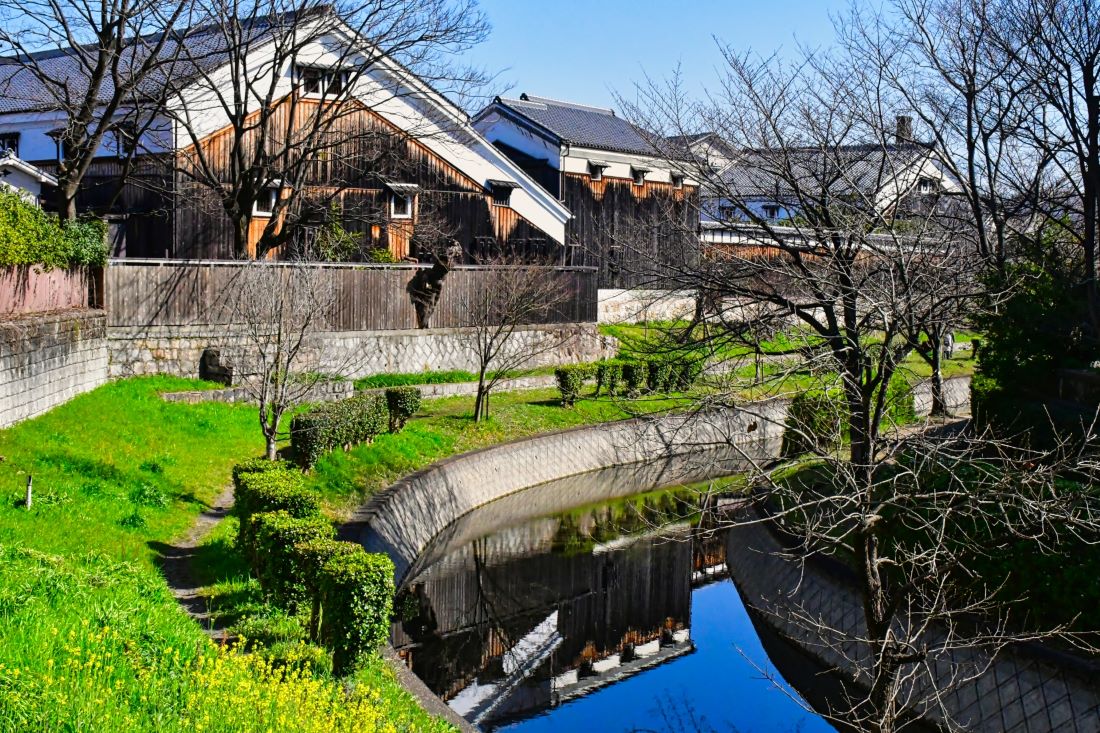
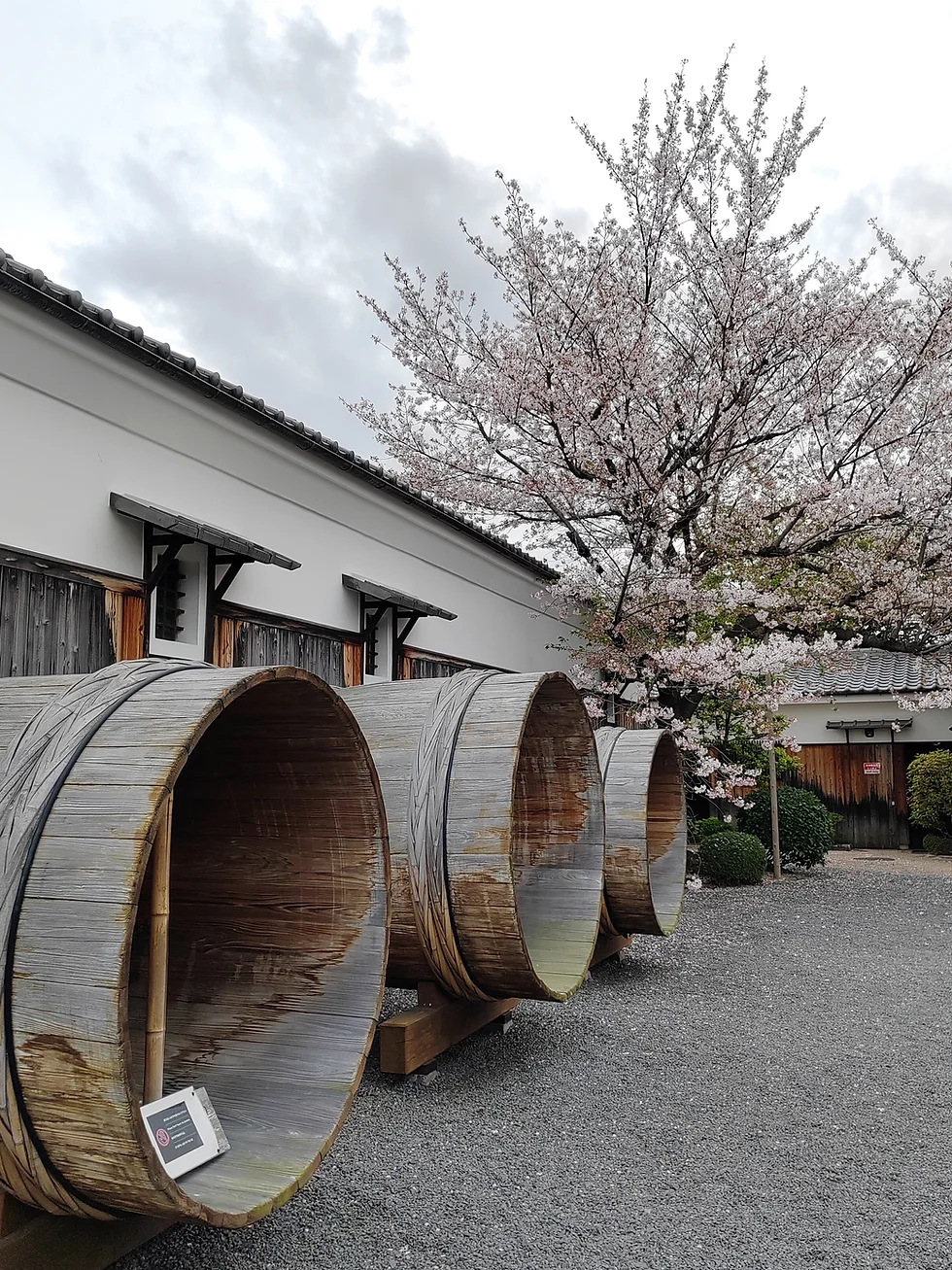
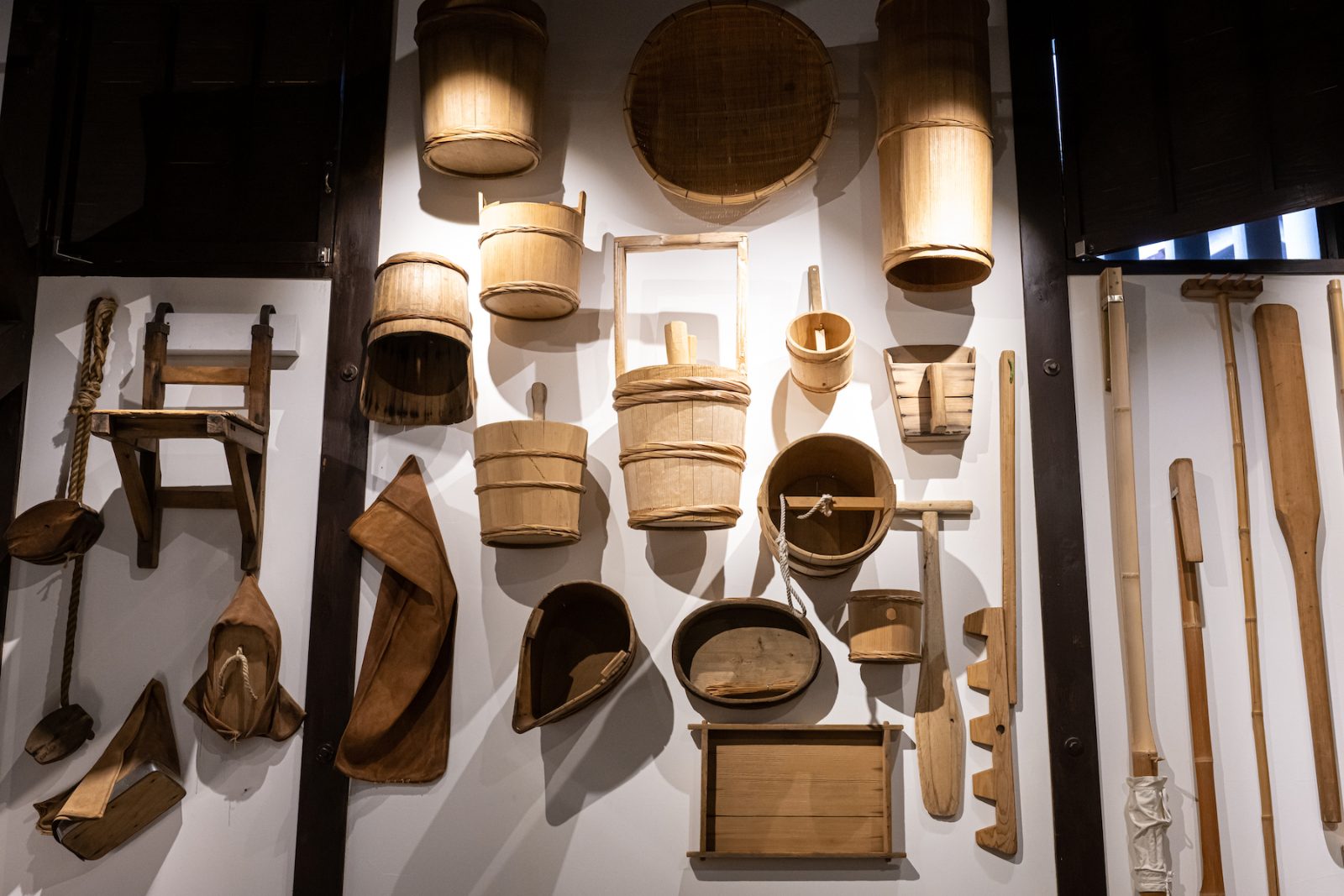
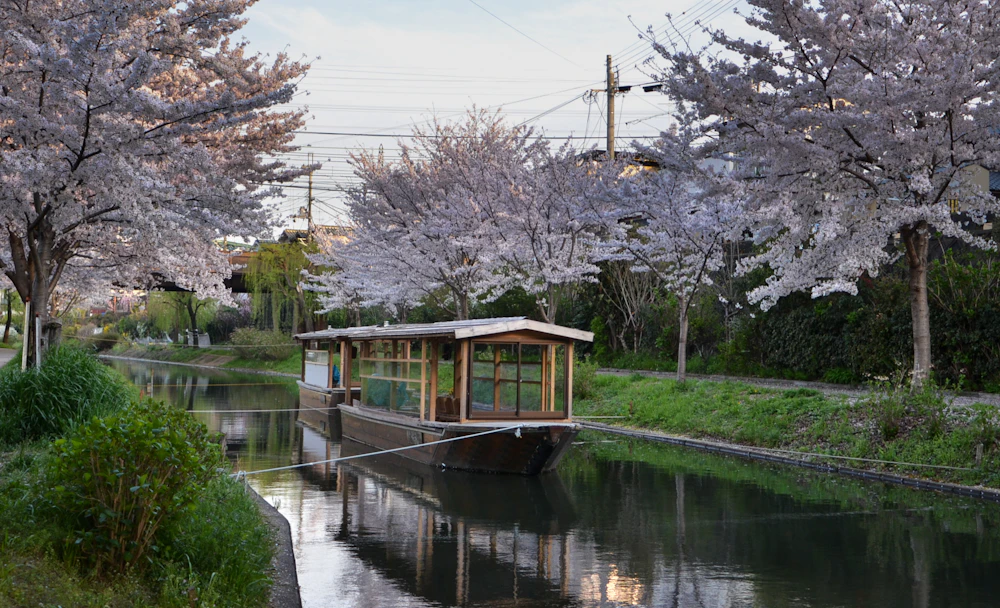
The reliable anchor is the Gekkeikan Okura Sake Museum, a converted 1909 brewery whose sugidama — the cedar ball hung at the eaves that browns as new sake matures — is the district's most photographed object. Its entrance fee of 600 JPY covers adult entry for those aged 20 and over and includes three tastings and a souvenir, and doors open daily at 09:30. Around it, the Bishamondo-style townhouses, the Terada-ya inn associated with Sakamoto Ryoma, and the Jikkokubune barges that once carried barrels down the Uji River toward Osaka make a walkable loop of about ninety minutes.
Used well, a Fushimi sake brewery tour works as a half-day: one museum visit for the brewing history, then a self-directed wander past the warehouse walls, ending at a tasting counter or a kura-side restaurant. Any survey of kyoto sake brands is better treated as a map of a neighbourhood than a shopping list of labels. Read the sections below for hours, fees, arrival timing and directions, then decide how much of the district you want on foot.